


Kate Warburton, trainee gardener at Garden Organic, shares how the sustainable gardening charity uses Melcourt compost in its organic garden.
Building a thriving organic demonstration garden starts with a strong focus on soil health and sustainable inputs. To give our plants the best possible start and sustained support throughout the growing season, we rely on one staple product in our potting shed: Melcourt peat-free SylvaGrow Organic.
We use this product alongside our own on-site homemade compost – and this ensures we can meet the demands of the garden when we aren’t able to produce enough compost fast enough for the scale of the garden. Melcourt’s compost allows us to uphold our core organic principles while achieving consistent, healthy growth across all our growing spaces.
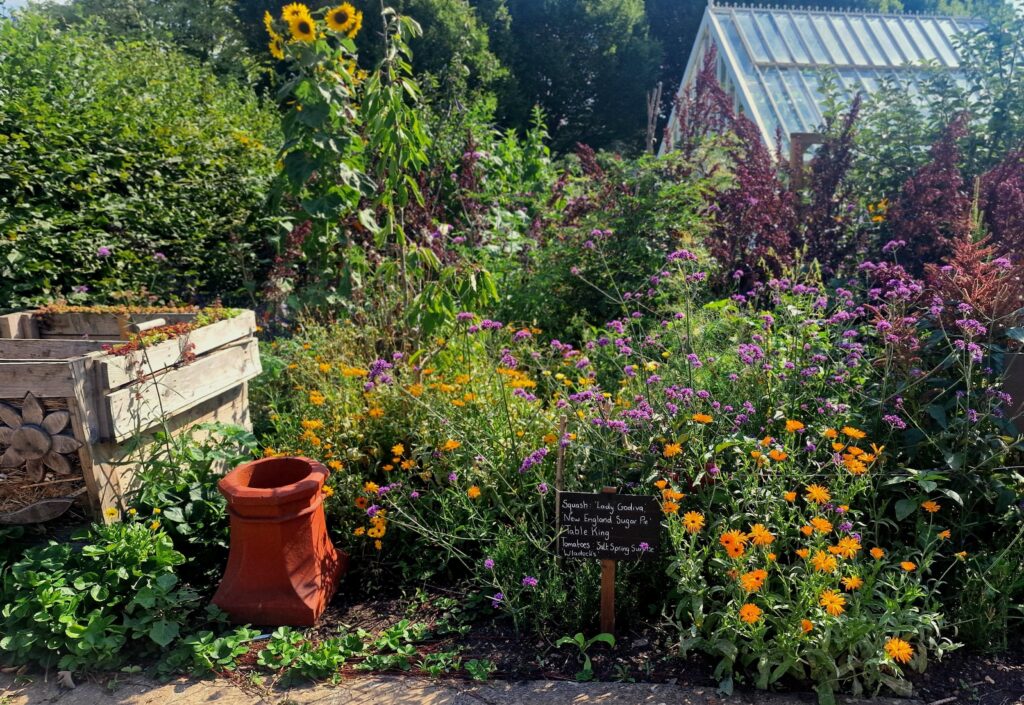
For visitors exploring our demonstration plots, it serves as a practical example of how a high-quality, peat-free medium can nurture plants completely naturally, while enriching our garden beds.
What we use it for
Melcourt’s peat-free SylvaGrow Organic is a versatile choice, working beautifully for seed sowing, rooting delicate cuttings, potting-on and container planting.
- For seed sowing: this compost gives a gentle start to seed germination and cuttings. For small seeds, all that is needed is a garden sieve to quickly bring the compost to a slightly finer texture. We find this provides the young, dainty root systems with excellent aeration and room to expand. For seeds that are ‘pea-sized’ or larger, we simply use the compost straight out of the bag.
- Potting on: later, we’ll use a non-sieved portion of the compost to pot them on and grow in a more supportive soil structure. We find the consistency of the product’s composition encourages robust root networks and supports active soil biology.
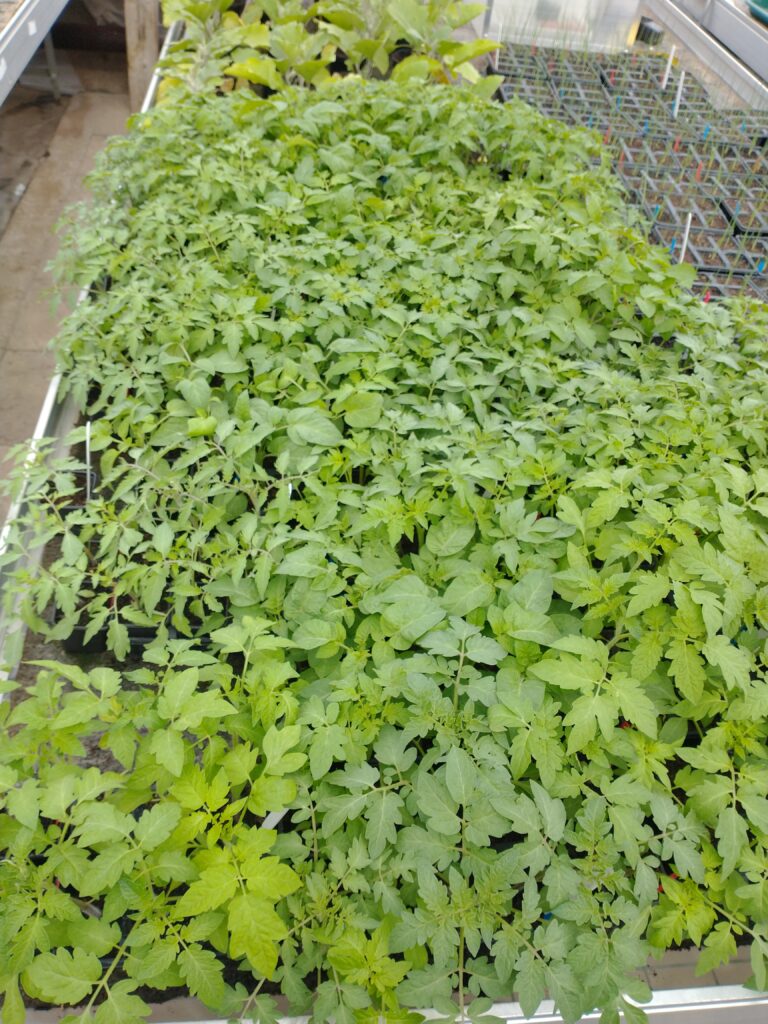
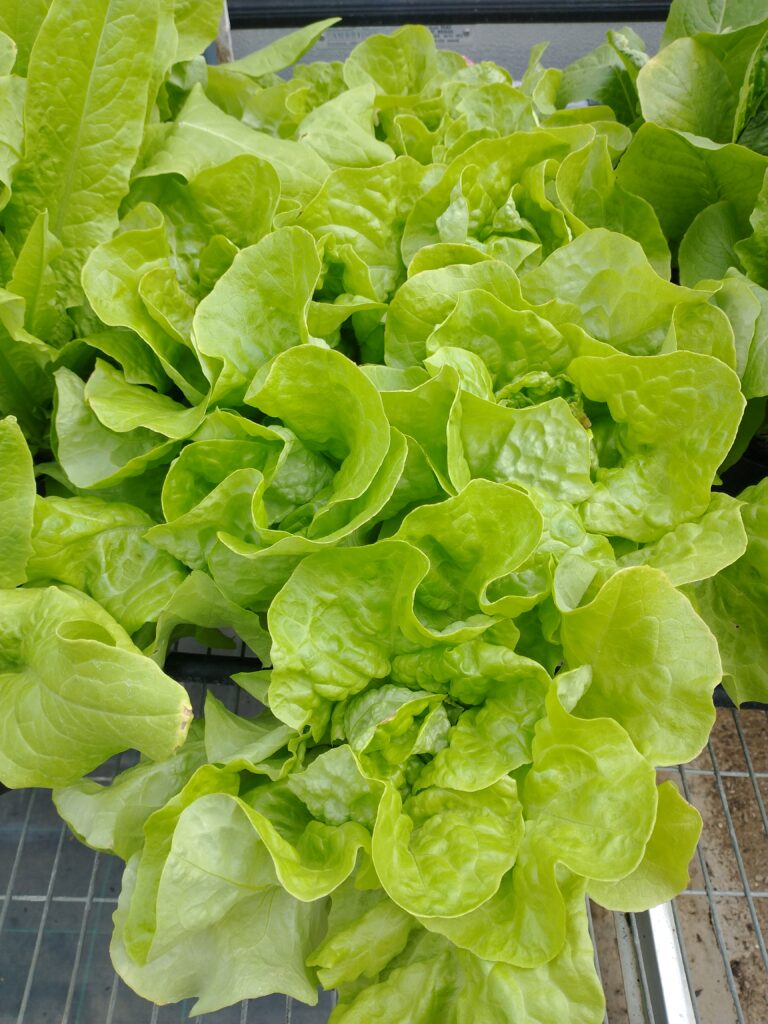
- Throughout the season: we’ll fill seed trays and modules with this mix for successional sowing. This include early spring to mid-summer sowings of autumn salad crops, brassicas, and overwintering herbs.
Why consistency matters to us
Gardening organically requires attention to detail – and knowing we can rely on our growing media means the team has one less thing on the to-do list. That confidence frees up our team to focus on other vital tasks across the site, such as organic pest management, harvesting, seasonal pruning, and critically for 2026 – watering!
Started more than half a century ago Garden Organic, formerly the Henry Doubleday Research Association, promotes organic growing and composting, citizen science and research, and seed conservation through their Heritage Seed Library. Their mission is to help gardeners to adopt ‘the organic way’, using natural methods to promote healthy, productive, sustainable gardens. Find out more at www.gardenorganic.org.uk
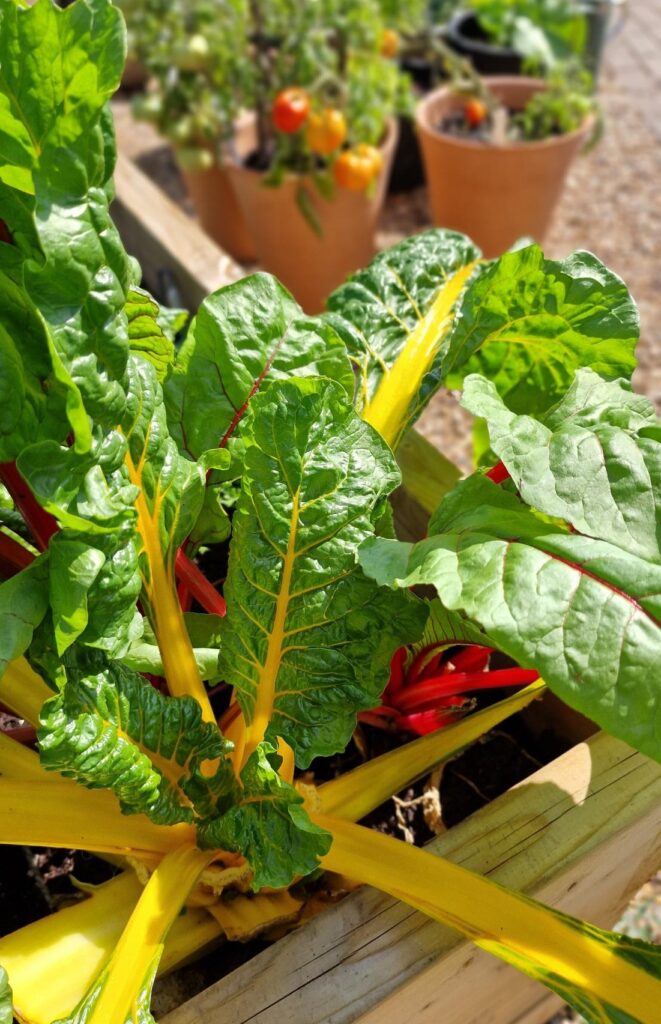
Chard in container